The fuel pump plays a crucial role in keeping your Porsche’s engine running smoothly. Several issues can damage this component, and when that occurs, you lose the high performance you expect from your Porsche. You will notice significant changes in your driving, and you’ll need to address them immediately to restore your driving experience.
Let’s explore some common causes of fuel pump failure, the warning signs that come with it, and the steps you should take when it happens.
Causes Of Fuel Pump Failure
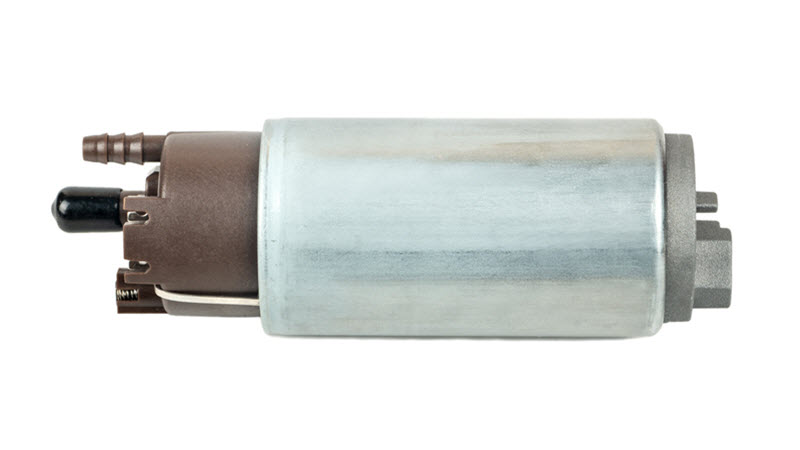
The fuel pump is the component in your Porsche that delivers fuel into the engine from the gas tank. One of the main causes of fuel pump failure is contaminated fuel. This could be adulterated fuel or moisture from humid environments, or even dust and soil particles finding their way into the fuel tank. These contaminants all deteriorate the quality of fuel, causing the fuel pump to be unable to deliver the fuel as needed into the engine for combustion.
Clogged Filters
Another cause of fuel pump failure comes from clogged filters inside the pump. Before oil reaches the engine, it passes through a pump with built-in filters. These filters remove impurities and make sure only clean oil flows into the engine. Over time, debris clogs the filters and pump, blocking efficient oil delivery.
The longer you drive your Porsche without checking the pump, the greater the risk. Contaminated or poor-quality fuel also increases the chance of clogging or damage. This is why you should always fuel up at reliable, trustworthy stations.
Electrical Issues
Most fuel pumps in modern Porsche models are automated and powered by electric charges. This is why electrical problems in your Porsche can quickly cause fuel pump failure. Common issues include blown fuses, loose connectors, or melted wires from regular wear. Without an electric charge, the fuel pump cannot deliver fuel to the engine.
Driving with low fuel also puts your Porsche’s fuel pump at serious risk. Most fuel that enters the engine eventually cycles back into the tank. This process helps cool the engine components and maintain proper performance. When fuel runs low, the tank cannot provide enough cooling for the parts. As a result, engine components overheat and eventually break down.
Signs Of Fuel Pump Failure
Some of the signs that will point to fuel pump failure include hard starts. When your engine can’t get fuel delivered into the combustion chamber, it will not start. A hard start is what happens when the fuel pump has to overcome a malfunction to get the fuel into the engine. In addition, your engine might start but then run roughly before it stops completely.
A faulty fuel pump will also cause your Porsche to have poor fuel efficiency. This is because the fuel pump may not receive the correct amount of fuel into the combustion chamber. The engine could also be compensating for the incorrect amounts of fuel, causing your car to use more gas than you normally would.
You may also notice that your car may not be able to power up when you step on the accelerator. This is because the fuel pump will be unable to deliver the needed amount of fuel to pick up speed.
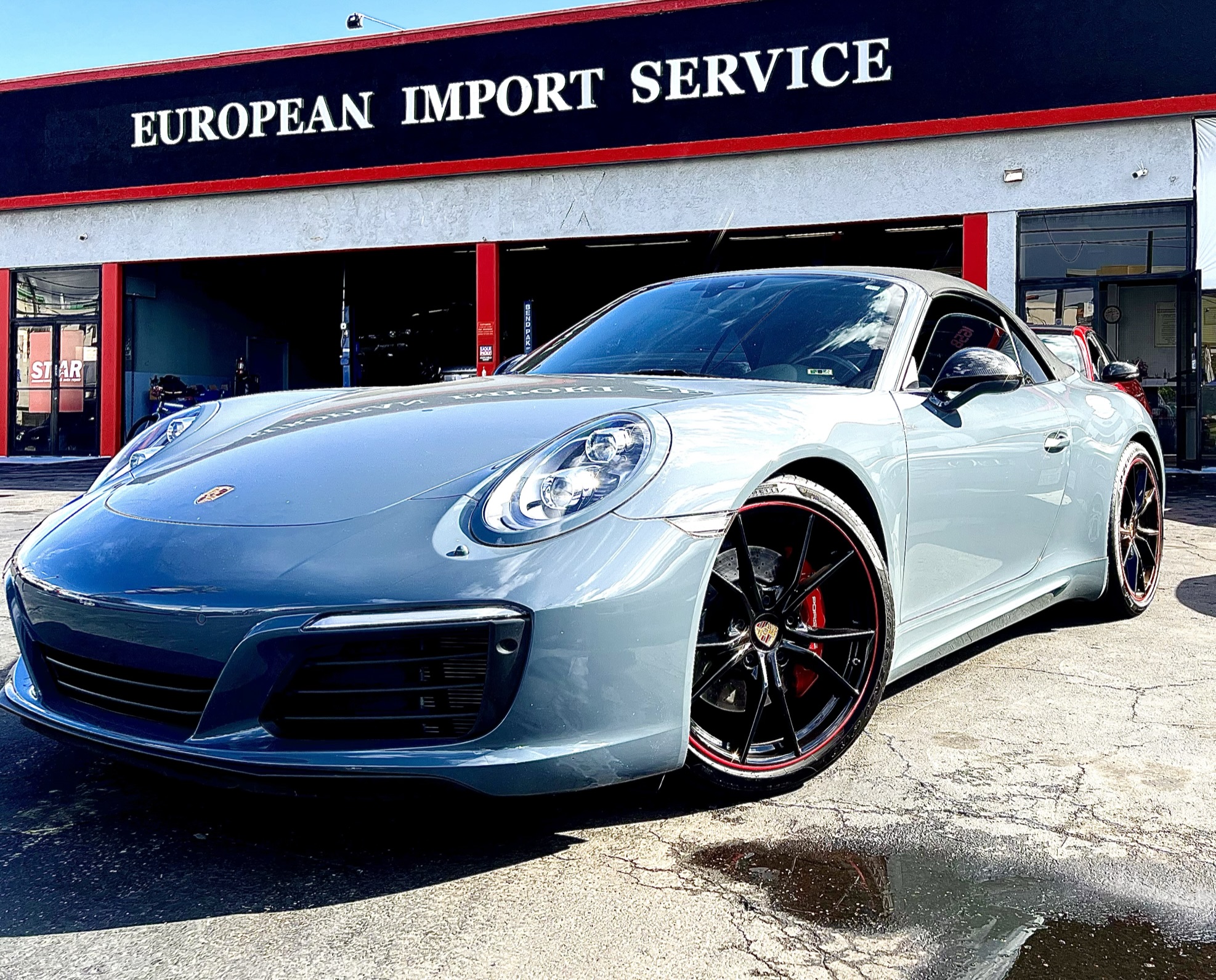
European Import Service for your Porsche

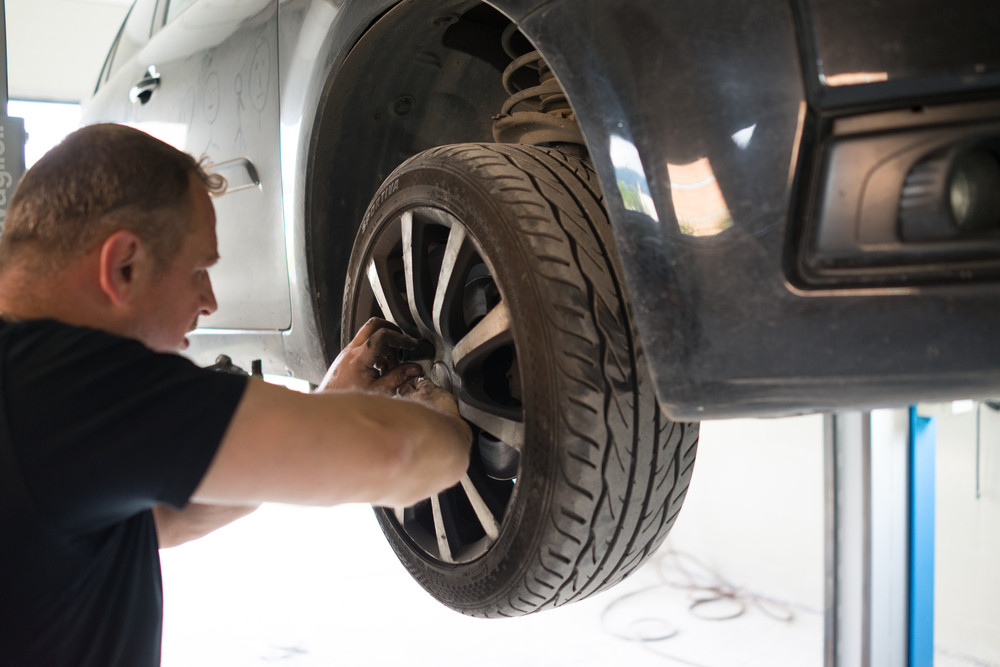
Fuel pump failure in your Porsche will happen at some point in the course of your driving. This is why you need to have a certified Porsche auto mechanic for your regular servicing visits. A mechanic that’s familiar with luxury European models will be able to ensure that you take the necessary steps that will hold off the fuel pump failure and let you enjoy your driving experience much longer. What’s more, a reliable auto repair shop will also provide authentic repair parts & services that will reduce the number of times that you’ll need to replace your fuel pump.
European Import Service provides high-quality services to Porsche owners in Huntington Beach, Irvine, Newport Beach, and Costa Mesa, CA, and we are available as a full-service shop. Reach out to us today, and we’ll help you with all your Porsche repairs.